
Note: This is a sponsored post from The Soapery and Bumbles and Boo, and may contain links to their website, which are included for the reader’s reference.
A home is shaped by much more than its furniture, colours and decorations. It is where families celebrate milestones, find comfort after difficult days and build memories through ordinary moments spent together. Yet, with work, household responsibilities and busy family schedules competing for attention, it can be easy to overlook the small things that make a home feel truly special.
Creating a more welcoming environment does not mean following every interior design trend or spending money on a complete makeover. Often, it involves making thoughtful choices about how you use your space, the routines you establish, and the experiences you share with the people you love. Here are some practical ways to bring more comfort, personality and meaning into everyday home life.
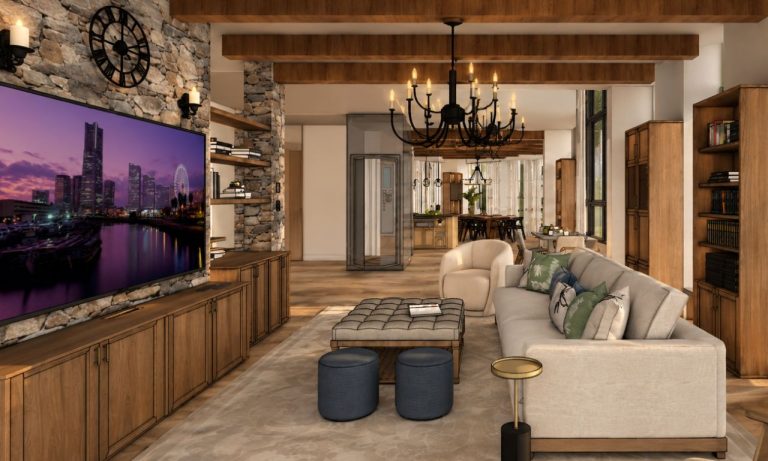
Create a calming space to unwind
After a demanding day, having somewhere to relax can make a real difference to how you experience your evenings. This does not have to be a separate room dedicated to relaxation; a comfortable chair beside a window, a quiet bedroom corner, or a favourite spot on the sofa can provide a welcome break from everyday demands.
Pay attention to the details that make these spaces comfortable. Soft lighting, clean bedding, a favourite blanket and a little less clutter can help create an inviting atmosphere without requiring significant changes. Keeping your phone aside for a few minutes and enjoying a cup of tea or reading a book can also help you establish a gentler transition between work and personal time.
Fragrance can become another part of this routine for those who enjoy scented surroundings. Lavender essential oil is often used in home fragrance and aromatherapy routines because of its distinctive floral aroma. If you choose to incorporate it into your home, follow the product’s directions and check its suitability around children and pets. A pleasant scent can complement a relaxing environment, but the most important factor is creating a space where you genuinely feel comfortable.
Make everyday routines feel less rushed
A peaceful home is not necessarily one that remains spotless throughout the day. In a busy household, trying to keep every surface perfectly organised can become exhausting, particularly when several people share the same rooms. A more realistic approach is to identify the small sources of frustration that repeatedly interrupt your routine and find simple ways to address them.
For example, a basket near the entrance can keep everyday belongings together, while designated places for keys, bags and shoes can make mornings easier. In the kitchen, clearing one section of the counter can provide enough space to prepare meals without constantly moving things around. These adjustments may seem minor, but they can save time and reduce the feeling that household tasks never end.
It is equally important to avoid creating routines that demand too much effort. A short evening reset may be more sustainable than spending hours cleaning every night and a few useful storage solutions can be more effective than buying decorative organisers for every room. The goal is to make your surroundings work for your household rather than allowing the upkeep of your home to dominate your free time.
Get all the info you need about our eDesign services
Download our free Gal at Home® eDesign Experience brochure and learn our services, rates, timelines, visual samples of our deliverables, actual client testimonials...and more!
Thank you!
You have successfully joined our subscriber list.
Design your home around the people living in it
Interior design becomes much more useful when it reflects the needs and personalities of the people who occupy a space. A family living room, for instance, might need comfortable seating for conversations, accessible storage for children’s belongings and enough open space for games or other shared activities. A bedroom may benefit from softer lighting and fewer distractions, while a dining area can be arranged to encourage everyone to spend time together during meals.
Before purchasing new furniture or accessories, consider how each room is currently used and what could make it more functional. Sometimes, moving a chair closer to a window, rearranging a seating area, or removing an unnecessary piece of furniture can improve the space considerably.
Personal touches matter just as much as practical decisions. Family photographs and souvenirs from memorable trips can make rooms feel connected to the people who live there. Rather than trying to recreate a perfectly styled photograph, aim for a home that feels welcoming, reflects your tastes and supports the activities that matter most to your family.
Celebrate family milestones with thoughtful details
Family celebrations provide opportunities to bring people together and create memories that last long after the decorations have been packed away. Birthdays, anniversaries, seasonal traditions and other personal milestones do not need elaborate arrangements to feel meaningful. Sometimes, a favourite homemade meal, a few photographs and time spent together are enough to make an occasion memorable.
A child’s first birthday is particularly special because it marks an entire year of growth, change and new experiences for the family. When choosing first birthday gifts, consider presents that are appropriate for the child’s age and reflect the family’s preferences. A thoughtfully selected keepsake or gift hamper can mark the occasion while giving parents something they will remember fondly.
You can also make these milestones part of your home’s story. Keep photographs in a dedicated album, store special cards in a memory box, or create a small display of meaningful items that can be updated over time. These simple traditions preserve memories without requiring additional clutter or elaborate decorations.

Check out this personalized hobbit-themed first birthday party from our archives!
Find more opportunities to spend time together
The most meaningful parts of family life often happen without much planning. Conversations during dinner, reading with a child before bedtime, preparing a weekend breakfast, or spending a rainy afternoon playing games can become treasured memories precisely because they are part of ordinary life.
Creating opportunities for these moments begins with making shared spaces comfortable and accessible. A dining table that accommodates everyone, a small reading corner, or a living room arranged for conversation can encourage family members to spend time together naturally. Keeping books, games and other shared activities within easy reach can also make it simpler to choose an activity that everyone enjoys.
Try not to place too much pressure on these moments by expecting every family activity to be memorable or perfectly organised. Children may lose interest, plans may change and some evenings will be busier than others. What matters is creating opportunities for connection without turning family time into another responsibility on an already crowded schedule.
Make small changes that last
A home that supports your well-being and relationships does not have to be completed all at once. Start by choosing one area that could feel more comfortable, one routine that could become easier, or one family tradition you would like to establish. Give yourself time to see whether the change works before adding something else.
The best improvements are often the ones that fit naturally into your existing life. A more inviting corner for relaxation, a simpler approach to organising belongings, or a thoughtful way to celebrate family milestones can gradually change how your home feels and functions.
Ultimately, a meaningful home is not defined by how much money has been spent decorating it or how closely it follows current trends. It is defined by the comfort it offers, the relationships it nurtures and the memories created within its walls. When practical choices are balanced with personal touches and time for the people who matter, everyday life at home can become more enjoyable, one small change at a time.
Join the exclusive Gal at Home email list!
Sign up for my emails sent weekly to your inbox! I also share my musings about creating homes we love and enjoy living in, and actionable DIY interior styling and design tips and techniques you can use in your own homes.
Thank you!
You have successfully joined our subscriber list. Please check your inbox to confirm your subscription.
Note: This is a sponsored post from The Soapery and Bumbles and Boo, and may contain links to their website, which are included for the reader’s reference.
All images are from the Gal at Home library. This is published on Gal at Home as part of our commitment to share diverse perspectives on topics such as self and well-being, relationships and community, home design and DIY, career and creativity, and lifestyle and leisure. It may contain links to the author’s or their clients’ websites, which are included for the reader’s reference.
The views and opinions expressed in this article are those of the author and do not necessarily reflect the views, policies, or positions of Gal at Home Design Studio.